

News Signals That Actually Matter
Not all news moves markets. We break down which headlines drive real trading sig...
Read Article
Explore the relationship between investor mood, news narratives, and actual price action. Learn to read what the market's really feeling.

Author
Written by the MarketMood Signal Editorial Team, focused on practical, research-backed guidance for sentiment-driven trading decisions.
Price movements aren't random. They're shaped by how investors feel about the future. Fear, optimism, uncertainty—these emotional currents flow through markets every single day, moving billions of dollars in seconds.
Here's what's interesting: sentiment often precedes price changes. A shift in mood can signal a reversal before the price action catches up. If you're trading or investing, understanding this relationship isn't optional—it's essential.
Markets operate on expectation. When sentiment turns negative, traders and investors start selling—even before fundamentals deteriorate. They're betting on what comes next. This anticipatory behavior creates a measurable pattern you can learn to spot.
Think about how markets react to earnings announcements. The actual numbers matter, sure. But what moves price immediately is how the market interprets those numbers. A company beats earnings estimates, yet the stock falls because sentiment turned negative on guidance. The disconnect reveals something important: price follows the narrative, not just the data.
Key insight: Sentiment creates momentum. Once a mood shifts, it tends to persist for days or weeks before price catches up completely. This lag is where opportunities exist.

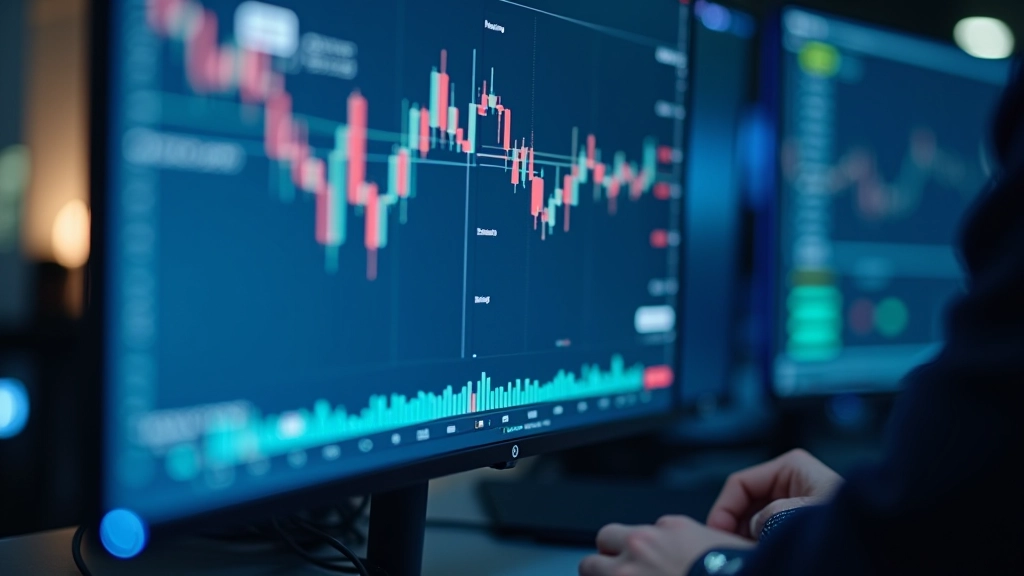
Not all sentiment signals are equal. Some carry more predictive weight than others. Understanding which signals matter helps you filter out noise and focus on genuine opportunities.
Headlines shape perception. When media coverage turns consistently negative or positive, it creates directional bias that traders respond to.
Retail traders congregate online. Their collective mood often signals turning points before institutional money moves.
Put/call ratios and volatility skew reveal what smart money expects. It's institutional sentiment made visible through pricing.
Tools like VIX (fear gauge) and custom sentiment scores aggregate mood into actionable metrics. They're quantified emotion.
Educational Note: This article is for informational purposes only and shouldn't be considered financial or investment advice. Market sentiment analysis is one tool among many, and outcomes vary based on market conditions, timing, and individual circumstances. Always consult with a financial professional before making trading decisions.
You don't need complex algorithms to spot sentiment changes. Start simple. Watch how media covers a stock or sector. Is the tone becoming more critical? Are headlines emphasizing risks? Are retail traders on forums shifting from bullish to bearish?
These surface-level observations often precede measurable price movement by hours or days. A experienced trader learns to recognize the texture of changing mood—the way language shifts, the emphasis changes, the tone darkens or brightens.
The practical approach: spend 15 minutes daily scanning news, social media, and sentiment indicators specific to what you trade. You'll develop intuition for when sentiment is turning. That intuition becomes actionable intelligence when combined with technical analysis and risk management.

Not all news moves markets. We break down which headlines drive real trading sig...
Read Article
Step-by-step guide to using AI tools and platforms that analyze market sentiment...
Read Article
Converting what you learn from sentiment analysis into actual trading decisions...
Read ArticlePrice doesn't move randomly. It follows the collective psychology of traders and investors. When you learn to read sentiment—to understand the mood underlying market movements—you gain an edge. It's not guaranteed profit, but it's a systematic way to improve decision-making.
Start by observing. Watch how sentiment shifts in the assets you trade. Notice the patterns. Track how long it takes for mood changes to translate into price action. Over time, you'll develop an intuition for when sentiment is genuinely turning versus when it's just noise.
The traders who succeed aren't the ones with the most complicated systems. They're the ones who understand the fundamentals—like sentiment—and apply them consistently. You can build that skill. It starts with attention, practice, and a willingness to learn from what the market's really feeling.
Ready to apply sentiment analysis to your trading?
Explore More Guides